
Mediterranean edge / 8 minute read
Let the coast
set the pace.
Alexandria’s seafront is not a single viewpoint. It is a long urban edge where wind, traffic, fishing, walking and changing light overlap. Plan it as a sequence of short sections.
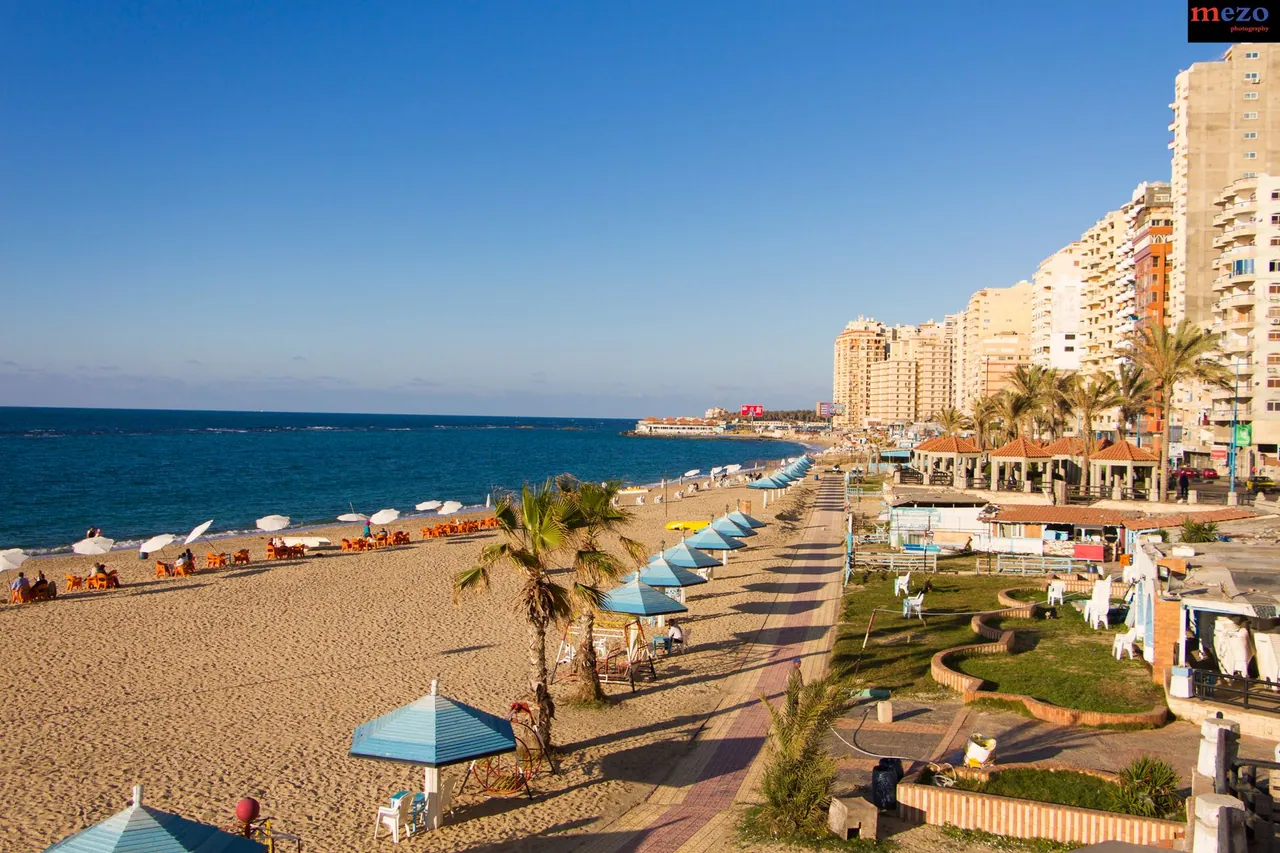
Begin by reading the wind
Coastal wind changes how warm the day feels and how comfortable a long exposed walk will be. A light layer can be useful even when inland temperatures feel warm. Secure hats and keep fine sand away from camera mechanisms.
Walk in short chapters
Choose two or three visible stopping points rather than aiming for a distant endpoint. Road crossings can interrupt the shore, and the most comfortable walking line may shift between the water side and streets set slightly back.
Watch the surface
Sea spray, uneven paving and wet stone can make the edge slippery. Keep a measured distance from waves in rough conditions and avoid concentrating on a screen while moving near a drop or busy road.
Stay for the transition
Late-day light changes quickly across the Mediterranean. Arrive before the color shift, identify a clear route away and let the scene develop. The coast becomes easier to read when the photograph is not the only objective.
Keep an inland alternative
A coast-facing plan is exposed to wind and glare. Mark one parallel inland street or sheltered public place before starting. If walking becomes uncomfortable, the alternative should shorten the day rather than create a new, complicated route.
Separate observation from movement
Stop fully before photographing waves, boats or changing light. The shoreline combines uneven surfaces, road noise and visual distraction. A deliberate stop keeps attention on footing while also producing a more considered view of the coast.
Climate planning matrix
Read the season as exposure
| Period | Likely emphasis | Walking response | Carry |
|---|---|---|---|
| Nov–Feb | Cooler air; greater chance of unsettled coastal weather | Keep an inland alternative and shorter exposed sections | Light outer layer |
| Mar–Apr | Fast-changing wind and brighter sun | Check conditions before committing to a long shore segment | Secure hat, eye protection |
| May–Sep | Stronger sun and long exposed periods | Use early or later hours and planned shade | Water, sun protection |
| Oct | Transition in heat, wind and day length | Recheck rather than relying on summer assumptions | Flexible layer |
Qualitative planning aid, not a forecast. Coastal conditions vary by day and exact location.
Three-stop coast sequence
- 1
Sheltered start
Check wind direction, visibility and the return route before the exposed section.
- 2
Open observation
Stop fully for photographs and keep distance from wet or uneven edges.
- 3
Inland finish
Leave the coast by the route identified at the start rather than improvising after dark.
Sources and verification
- World Bank Climate Change Knowledge Portal: Egypt historical climatology — baseline seasonal context; it does not replace a city forecast.
- World Health Organization: ultraviolet radiation — guidance on shade, clothing and reflected exposure near bright surfaces.
Sources reviewed 4 September 2026.
Continue reading